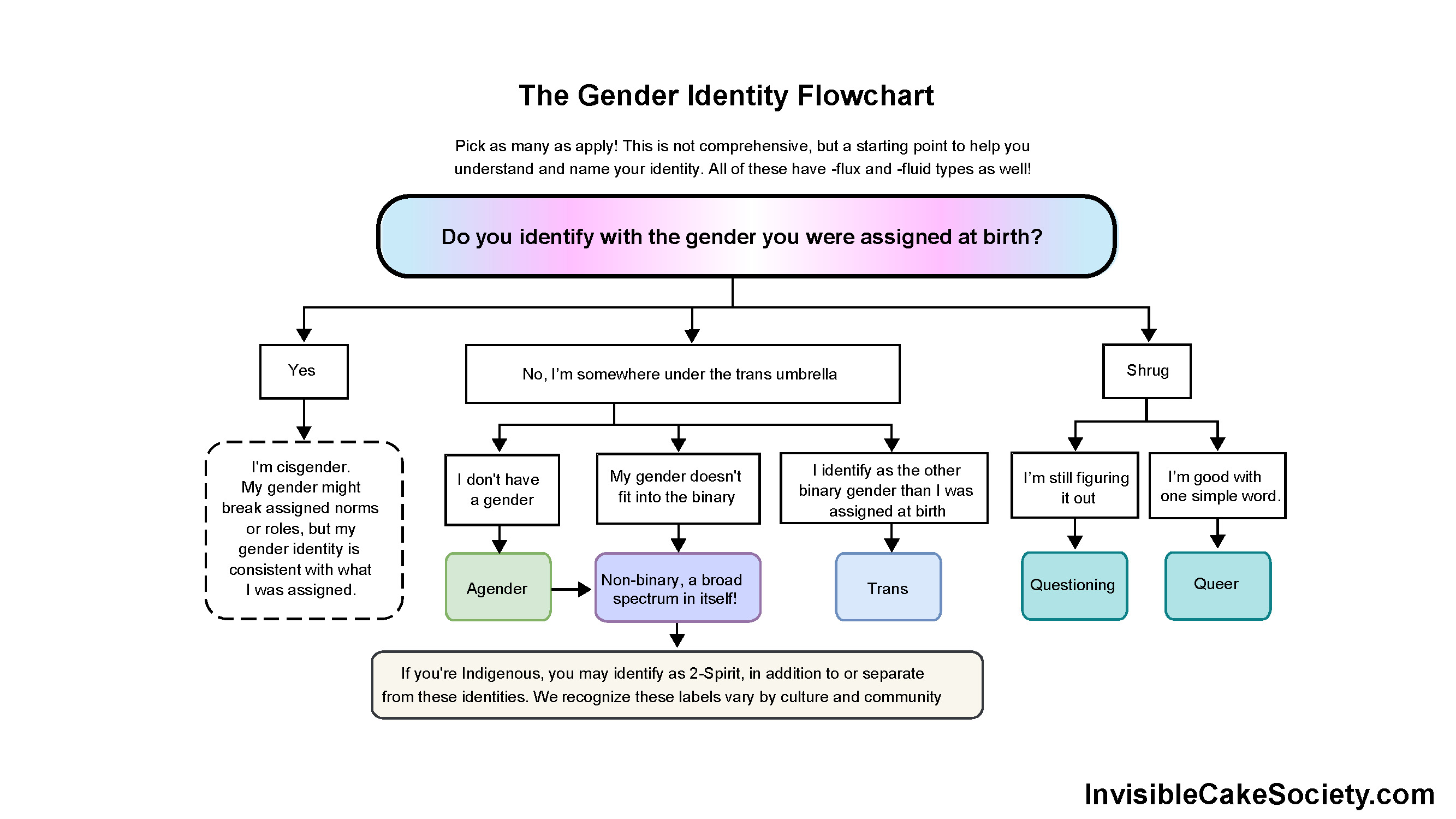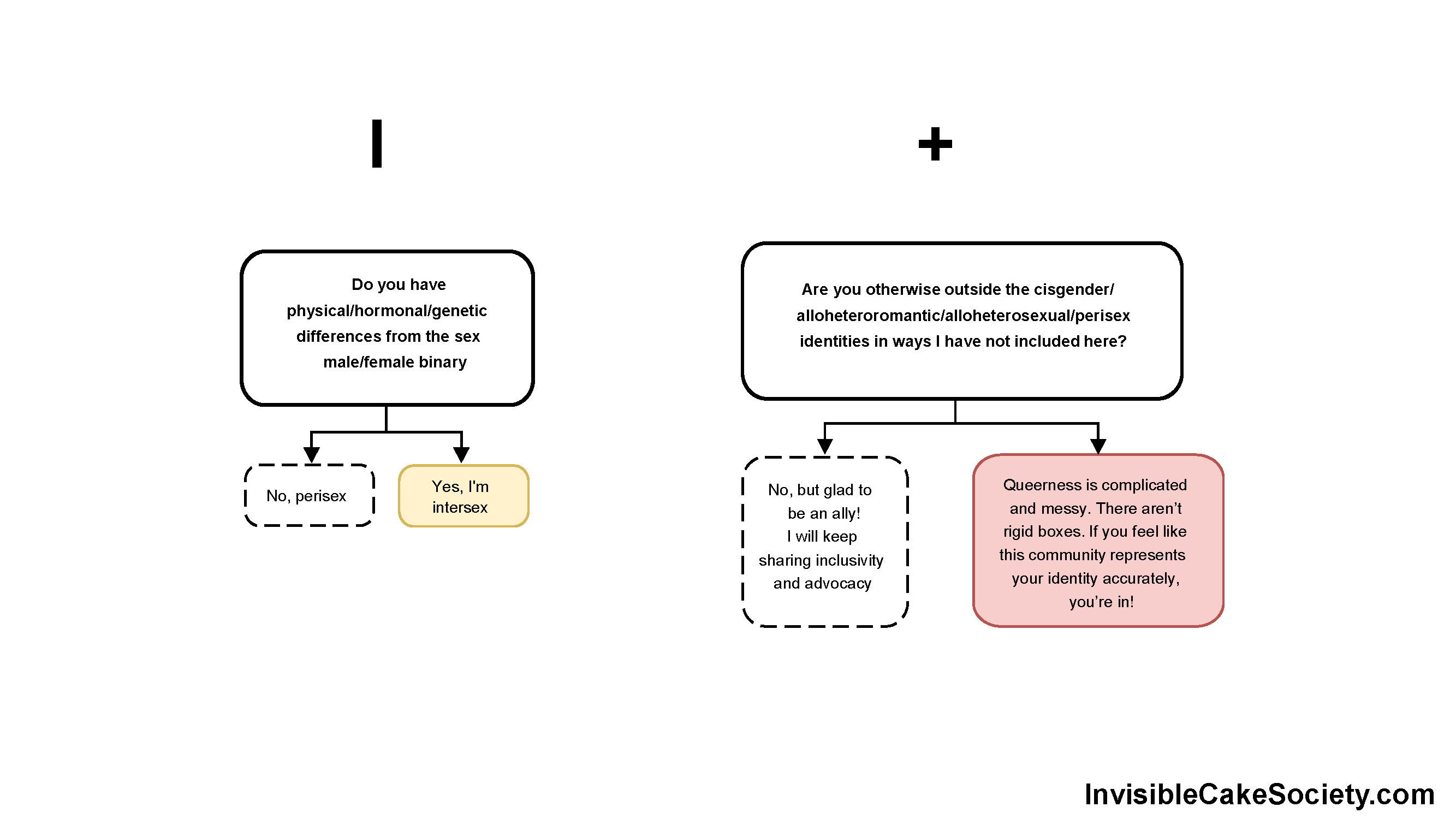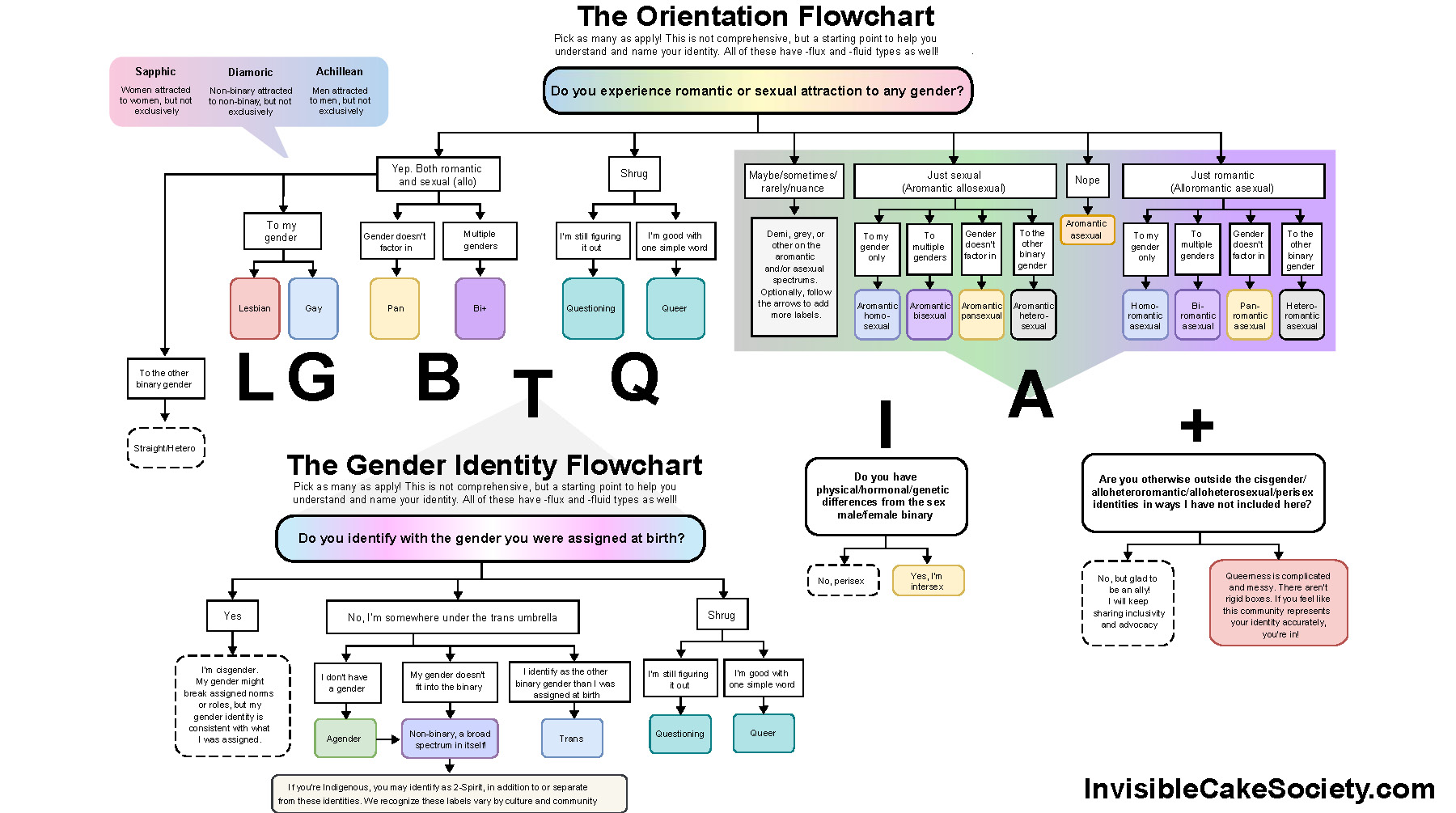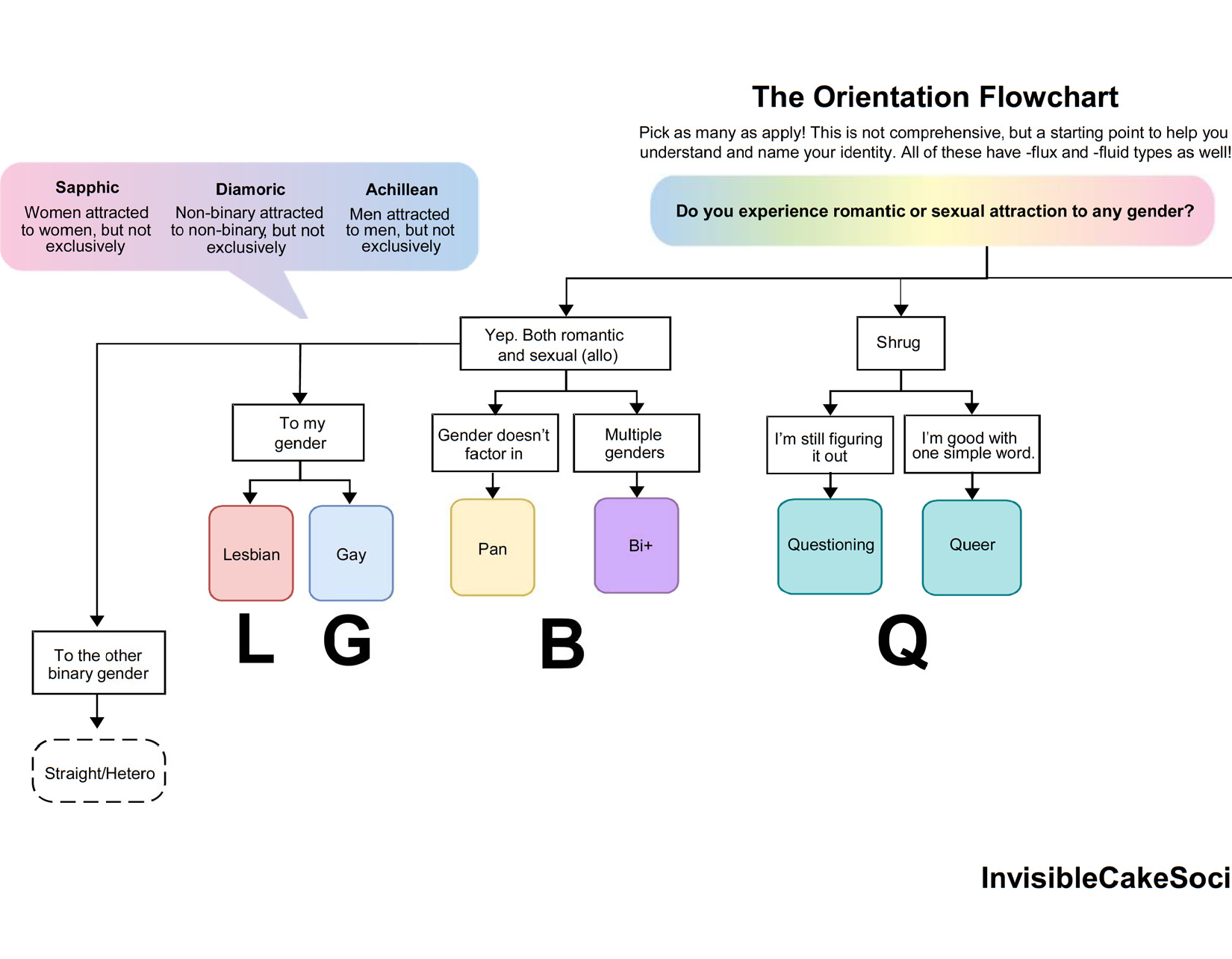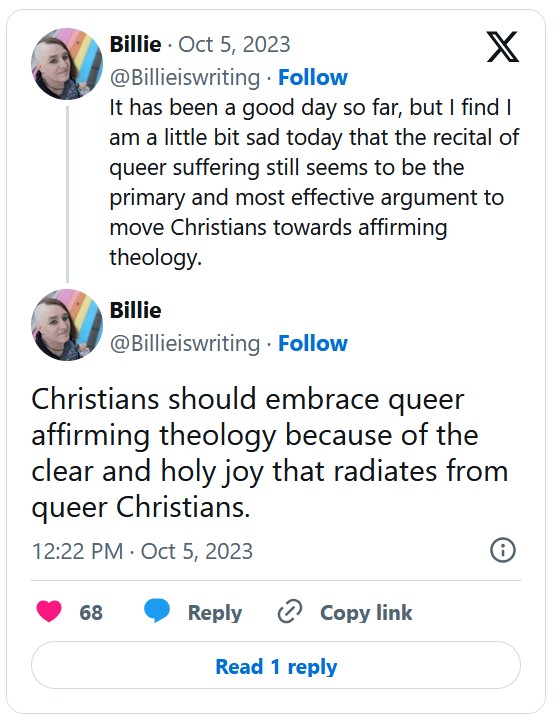
We have a long, complicated history as a queer Christian community. It’s crucial that we preserve, learn, and grow from that history with each generation that follows so we know who we are, that we are not a new trend, and that “tradition” is in the eye of the historian. We are proud to have a deep, rich history of faithful love and justice work, standing strong in our God-given identities. LGBTQIA+ Christians have always been here. Our stories were just erased. Make the invisible visible again in remembering them:
The LGBTQ+ Religious Archives Network
The LGBTQ Religious Archives Network (LGBTQ-RAN) is an innovative venture in preserving history and encouraging scholarly study of lesbian, gay, bisexual, transgender and queer (LGBTQ) religious movements around the world. LGBTQ-RAN has a two-fold basic purpose.
Second, LGBTQ-RAN provides an electronic information clearinghouse for these archival collections and other historical data about LGBTQ religious history for the use of historians, researchers and other interested persons.
First, it assists LGBTQ religious leaders and groups in determining how best to preserve their records and papers in appropriate repositories.
Center for LGBTQ and Gender Studies in Religion
The Center for LGBTQ and Gender Studies in Religion (CLGS) was established at Pacific School of Religion in Berkeley, California and opened its doors in the fall of 2000.
Whosoever Magazine
Since 1996, Whosoever has existed to publish resources, primarily in the form of curated content, for those who seek a deeper understanding of the truly loving God, whose unconditional love is experienced as boundless grace.
Queer Saints Project
The Queer Saints Project began as a collaboration between the artist, Jason Tseng, and Judson Memorial Church, a historic church located in New York City’s West Village neighborhood. In 2018, Judson commissioned Tseng to create icons of LGBTQIA+ ancestors, to celebrate their inherent divinity, honor their contributions, and reclaim them as queer saints. The goal is to raise awareness and funds for the LGBTQIA+ community using these transcendent images that glorify and celebrate the miracle that is queerness.
The LGBTQ History Project
- Robert Clement, Church of the Beloved Disciple
- Council on Religion and the Homosexual
- Reverend Ed Hansen
- Paul Breton, Gay Liberation Front, Gay Activists Alliance, Metropolitan Community Church
QSpirit: LGBTQ Saints, Queer Saints
Kittredge Cherry provides profiles and a saints day calendar that ask “What if” in queering the Bible and Christian history, as well as recognizing modern-day and historical queer people of faith in ways the church has largely ignored. Dare to imagine, explore, question, and enjoy beyond the normative and cisheteropatriarchical-assumed stories we’ve been taught.
Making Gay History: Rev. Carolyn Mobley-Bowie
Growing up in the segregated South, Rev. Carolyn Mobley-Bowie knew the challenge of finding an accepting place in the world—a challenge that only grew when her attraction to women came into conflict with her devotion to God. The predominantly gay Metropolitan Community Church offered refuge.
OutHistory: Religion and Homosexuality in the United States, by John D’Emilio and His Students
An essay by historian John D’Emilio “On Teaching Religion and Homosexuality in the U.S.,” and six chronologies on religion and homosexuality in the United States. First published on OutHistory in 2014.
Associated Press: A brief and incomplete, but helpful, overview of mainline denominations’ shifts on LGBTQIA+ inclusion in ordination, leadership, and marriage.
This timeline highlights key milestones and flashpoints within the UMC, Presbyterian Church (U.S.A.), Episcopal Church, Evangelical Lutheran Church in America, United Church of Christ, as well as in civic life.
By affirming denomination
Your experience may vary, but overall, these denominations have come to a broadly LGBTQIA+ affirming stance and hold socially progressive theology.
Metropolitan Community Church
- MCC history overview at Inside MCC
- In-depth MCC historical archives (Google Drive)
- MCC’s role in launching the lawsuit that led to legalization of same-sex marriage in Canada
When We All Get to Heaven
When We All Get to Heaven is a documentary project that tells the story of one of the first gay-positive churches, the Metropolitan Community Church of San Francisco, and how it faced the personal, social, and political trials of the AIDS epidemic, including the deaths of 500 of its members.
The Classical Ideas Podcast: EP 197: We Who Must Die Demand a Miracle and MCC San Francisco w/Dr. Lynne Gerber
Dr. Lynne Gerber (she/her/hers) is an independent scholar. She is the author of Seeking the Straight and Narrow: Weight Loss and Sexual-Reorientation in Evangelical America (Chicago, 2011). She is currently working on a history of religion and HIV/AIDS in San Francisco.
Queercore podcast: The Radical Priest: Rev Troy Perry (Season 4; Ep 8)
He’s preaching revolution! In this episode, Reverend Troy Perry, founder of the Metropolitan Community Church, joins us to chart his unlikely journey from Southern Baptist roots to gay‐affirming ministry and queer liberation. He recalls founding MCC in his living room in 1968, officiating groundbreaking same-sex marriages, and fighting for dignity when society told him faith and queerness could never co-exist.
There were fires—literal and metaphorical—that threatened his church, courtroom battles, and protests in the street. Through it all, he held onto something radical: that God loves us all, fully and without apology. Tune in to witness faith as resistance and prophecy as sanctuary.
United Methodist LGBTQIA+ History
Affirmation was founded in 1972 and went on to establish Reconciling Ministries. Affirmation was the first group to include Transgender people and was the first to provide direct support to LGBTQ+ people in Uganda and Kenya.
As the Church embraces a more inclusive and hopeful future, the Center exists to intentionally collect, preserve, and share the stories of Queer individuals whose voices, ministries, and faith have long been marginalized. Through this work, the LGBTQ+ UMC Heritage Board is tasked with ensuring LGBTQ+ people and their legacy in the Church can move forward unapologetically to be seen, celebrated, and empowered in the fullness of who they are.
Dedicated page for profiles of notable clergy and lay people, oral histories, online exhibits, and digital archive collections from the UMC.
- A complete UMC affirmation history slideshow with notable dates of the UMC and political victories
- Reconciling Ministries Network timeline from the 1980s onward
Episcopal LGBTQIA+ History
- TransEpiscopal – TransEpiscopal is a group of transgender, nonbinary, and allied Episcopalians dedicated to fostering the full embrace of trans and nonbinary people, and our loved ones within the Episcopal Church and to inspiring faith-based advocacy for trans and nonbinary justice in the wider world.
- LGBTQIA+ Episcopal History – Faithful Episcopalians have been working toward a greater understanding and radical inclusion of all of God’s children for nearly a half-century.
United Church of Christ LGBTQIA+ History
- Open and Affirming Coalition – Beginning in 1969, the United Church of Christ has advocated for the LGBT community. From the campaign to decriminalize same-sex relationships to support for marriage equality, the UCC has made a difference in the lives of LGBT citizens and their families. The issues have changed over the decades, but the basic commitment to full inclusion and human rights remains the same.
Presbyterian Church USA LGBTQIA+ History
- Timeline of LGBTQIA+ History – The Presbyterian Historical Society has created a timeline of LGBTQIA+ related history in the Presbyterian Church (U.S.A.). The stories included show how church members’ perspectives as well as the language used to speak about sexuality shifted throughout decades of advocacy work by LGBTQIA+ Presbyterians and allies.
ELCA (Lutheran) LGBTQIA+ History
- HRC: Stances of Faiths on LGBTQ+ Issues: Evangelical Lutheran Church in America – The Evangelical Lutheran Church in America, with approximately 3.8 million members, has passed repeated resolutions to welcome LGBTQ+ people since 1991.
Brethren and Mennonite Council LGBTQIA+ History
- Oral history project at the Center for Queer Studies – Amy Short, in her work on the BMC Elder History Project, has been busy collecting stories, primarily from older BMC individuals, but also from some younger ones as well. Currently she has over 40 hours of taped interviews that will be preserved for their archives, with some utilized for trainings or simply shared as a celebration of their strength and variety as a community.
- “Repent of the Sins of Homophobia”: The Rise of Queer Mennonite Leaders by Rachel Waltner Goossen
United Church of Canada
Quakers in Britain
Other notable groups in LGBTQIA+ Christian History:
- Catholic – Dignity USA history
Many more to come! If you have more queer Christian history/archival sites to suggest, please submit them via DMs on Bsky, Threads, Instagram, Substack, Discord, or Facebook (all under @ jennadewitt), or send me an email at jennadewitt (at) gmail (dot) com.